"Humans haven't seen temperatures as hot as today for, arguably, at least the last 100,000 years," Samantha Burgess from the European Centre for Medium-Range Weather Forecasts, which oversees Copernicus, told AFP.
Copernicus data, which goes back to 1940, recorded the previous all-time monthly high only three years ago in July 2023.
Western Europe records hottest summer
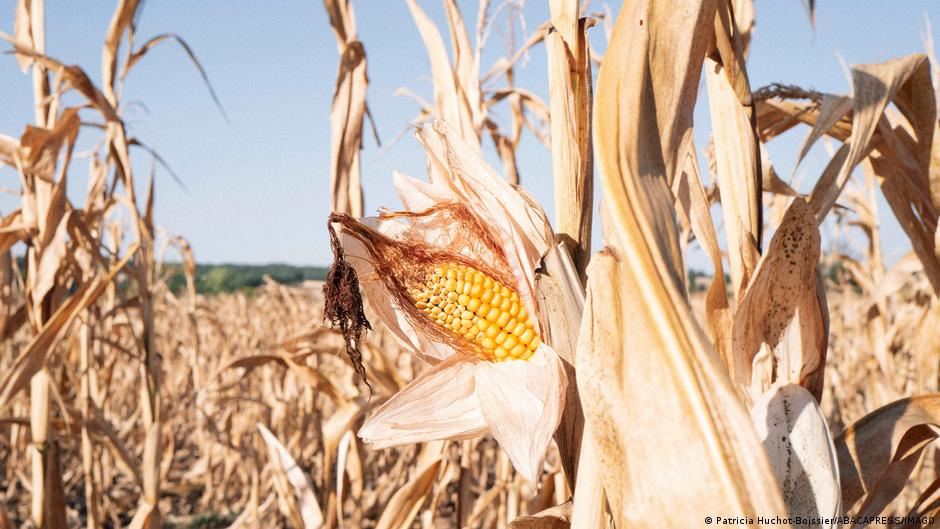
Western Europe on record this year after successive heatwaves, droughts and wildfires.
Between mid-July and mid-August, Europe saw more than 32,000 excess deaths related to heat, according to estimates from the EuroMomo monitoring platform.
Additionally, also tied their record high, which extended a three-month streak of record-breaking warmth across the world's oceans.
These warm ocean temperatures come at severe cost to marine life, reefs and coastal communities.
Added to this, what is estimated to be the strongest El Nino in the modern era is set to bring unusually warm Pacific waters, raising the odds of extreme weather across the world, from floods to droughts and .
Wildfires spread beyond Europe's traditional fire zones
Stiell said "until humanity stops burning" coal, oil and gas, extreme heat would continue to break records.

Long-term warming currently averages at about 1.4°C higher than pre-industrial levels, just under the 1.5°C limit envisioned under the .
Last week, the UN said the 1.5°C goal was no longer achievable and urged faster greenhouse gas cuts.
"It is now time to stop acting surprised that our warming planet keeps getting warmer. This is occurring exactly as forecast by scientists literally decades ago," Texas A&M University climate scientist Andrew Dessler told the Associated Press.
"The interesting question is not whether we will keep breaking heat records (we will), but or just stand there while the climate train runs us over. "
El Nino, regional wars fuel global food crisis
Edited by: Wesley Rahn
