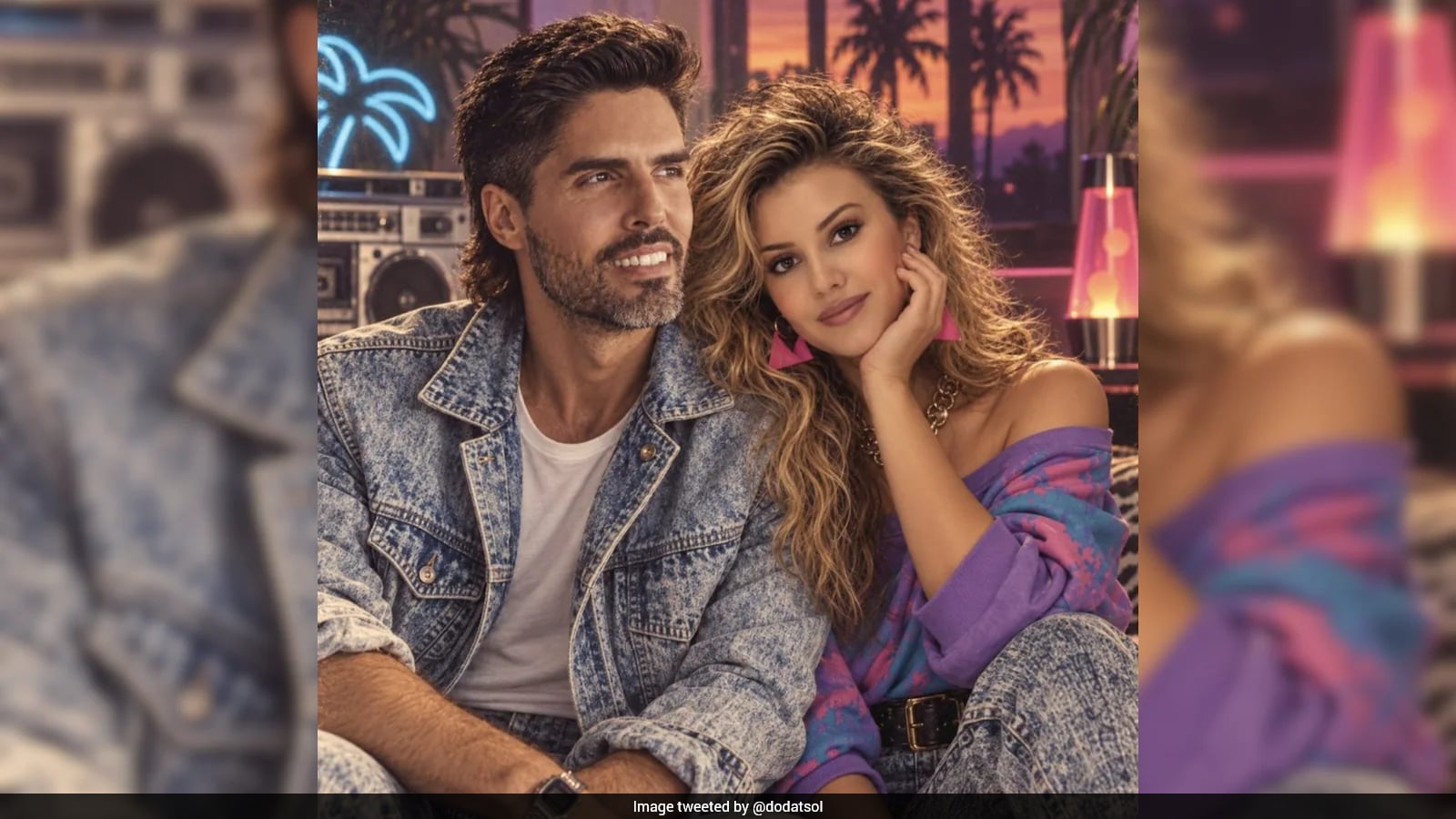
Instagram feeds have been flooded with colourful, nostalgic portraits over the past two days, thanks to the viral ChatGPT 80s photo trend. Users are uploading their photos to ChatGPT and asking the AI to reimagine them as glamorous 1980s portraits, complete with big hairstyles, period clothing, warm studio lighting and vintage film grain.
The results can look surprisingly realistic, which has helped the trend spread rapidly across social media. But while creating an AI version of yourself may seem harmless, there are a few users should consider before handing over a personal photograph to an AI platform.
What happens when you upload a photo to ChatGPT?
A photo contains more information than what is visible on the screen. A person's face can be considered personal data because it may help identify them. Depending on the original file, an image can also contain metadata such as the date it was taken, the device used and, in some cases, location information, as per a report by Data Controls if they do not want new conversations to be used for model improvement.Another option is Temporary Chat. OpenAI says Temporary Chats are not used to train its models, do not appear in chat history and are automatically deleted from its systems within 30 days, subject to certain exceptions.Users should therefore avoid uploading highly sensitive photographs, identity documents, private records or intimate images. It is also better not to upload photographs of other people, particularly children, without their permission.Before uploading a selfie, users can crop out unnecessary background details, blur house numbers or vehicle plates and check their privacy settings. Using Temporary Chat can provide an additional layer of privacy.
