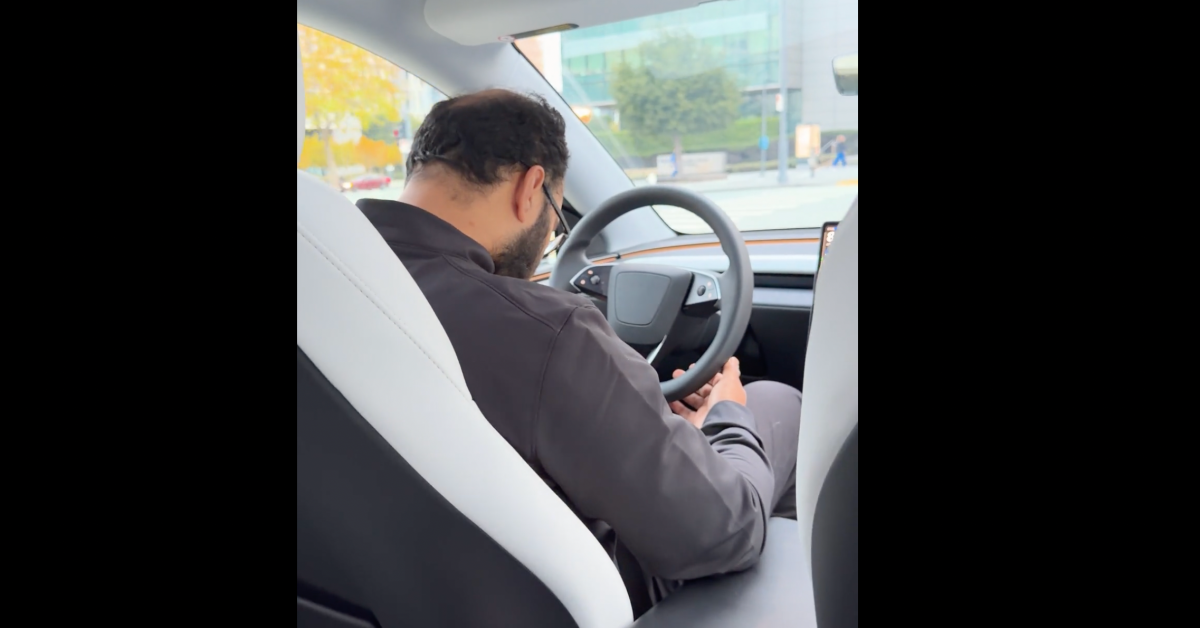
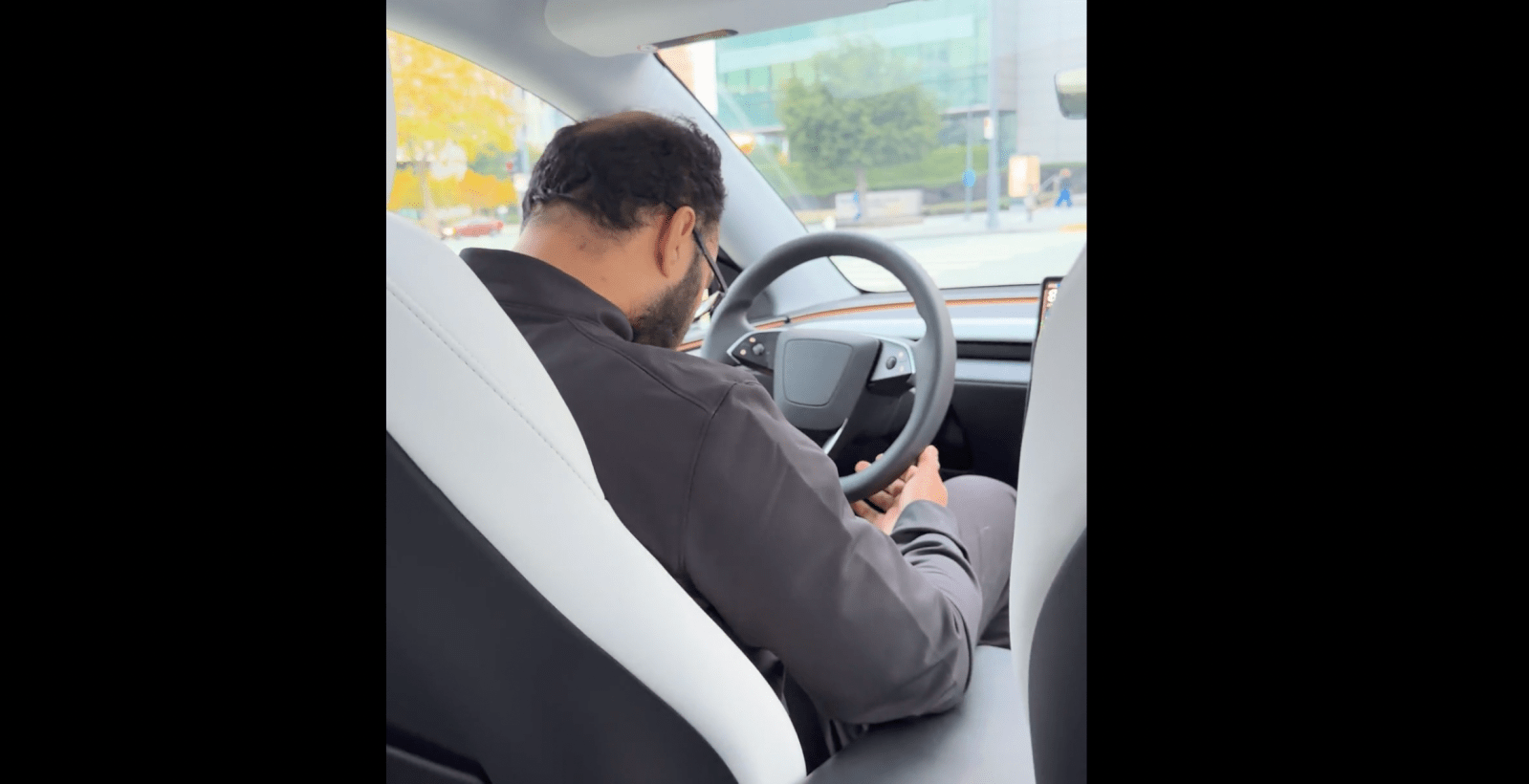
A US congressman is demanding the Department of Transportation explain what it’s doing about Tesla’s Autopilot and Full Self-Driving after an NBC News investigation surfaced dozens of videos of drivers apparently asleep at the wheel.
Rep. Raja Krishnamoorthi gave Transportation Secretary Sean Duffy until September 30 to answer five questions about the systems, which Tesla itself says “require active driver supervision and are not autonomous driving systems.”
What the letter says
Krishnamoorthi, an Illinois Democrat, wrote to Duffy on September 9. He points to an NBC News investigation that identified 43 videos of drivers who appear to be asleep in moving Teslas, 17 of them posted this year alone.
The letter ties that behavior directly to a federal probe that’s already underway. NHTSA’s engineering analysis, EA26002, covers roughly 3.2 million Tesla vehicles equipped with FSD.
Krishnamoorthi also flags a message Tesla vehicles display to drivers: “Drowsiness detected. Stay focused with FSD.” He argues the prompt does the opposite of what safety requires.
“FSD requires continuous human supervision, yet the message appears to encourage use of the system precisely when the vehicle has detected that the driver may be less capable,” he wrote.
Tesla has indeed often posted message on social media about being more rested when driving with FSD.
NHTSA is already one step from a recall
The probe Krishnamoorthi cites isn’t new. NHTSA , the final phase before the agency either closes a case or orders a recall. That probe identified nine incidents tied to reduced-visibility conditions, including one fatality and one injury.
The letter zeroes in on a gap Electrek has been : Tesla’s in-car monitoring doesn’t reliably keep drivers engaged. Owners have found cheap ways around it. Some drape a folded bill over the cabin camera. Others wear sunglasses to defeat the eye-tracking. We’ve documented a whole and posting it for clout.
That’s the core of the problem. Tesla’s own manuals say continuous supervision is required, and drivers keep proving how easily the supervision check can be faked.
The five questions
Krishnamoorthi wants specifics from NHTSA. He asks whether the agency is aware of the videos and whether they point to a systemic problem, whether it has contacted Tesla about the incidents, and what data it has collected on driver inattention in crashes since January 1, 2024.
He also wants NHTSA’s own assessment of how effective Tesla’s cabin camera actually is, and, pointedly, what findings would trigger a safety recall.
Electrek’s Take
Congressional letters rarely move a federal agency on their own, and this one lands on a DOT that hasn’t shown much appetite for taking on Tesla. So I wouldn’t expect fireworks by September 30.
But the question Krishnamoorthi is asking is the right one. Tesla built the cabin camera as its answer to years of criticism about driver monitoring. And a $20 bill defeats it. If your system detects that a driver is nodding off and its response is “stay focused with FSD” rather than pulling over and forcing hands on the wheel, you’ve designed the monitoring around keeping the feature on, not around keeping the driver awake.
NHTSA already has nine incidents and a fatality in front of it in EA26002, and Tesla has conceded its own software fix would have prevented only three of those crashes. Those sleeping-driver videos just show the behavior Tesla’s design invites. The real question is whether Duffy’s team answers honestly by the deadline, or lets it slide the way this DOT has let most Tesla safety questions slide. We’ll be watching and of course, you can stay on top of our own ongoing investigation into fatal crashes related to Tesla’s Autopilot and Full Self-Driving systems.
If you’re driving an EV, powering it with home solar can cut your fueling costs to nearly zero. With electricity rates up almost 10% last year and expected to keep climbing, going solar is one of the best ways to protect yourself against rising costs. And with lease and PPA options, you can do it with zero upfront cost and start saving immediately. If you want to find the best deal, check out . It’s a free service with hundreds of pre-vetted installers competing for your business, so you save 20 to 30% compared to going it alone. No sales calls until you pick an installer. .

