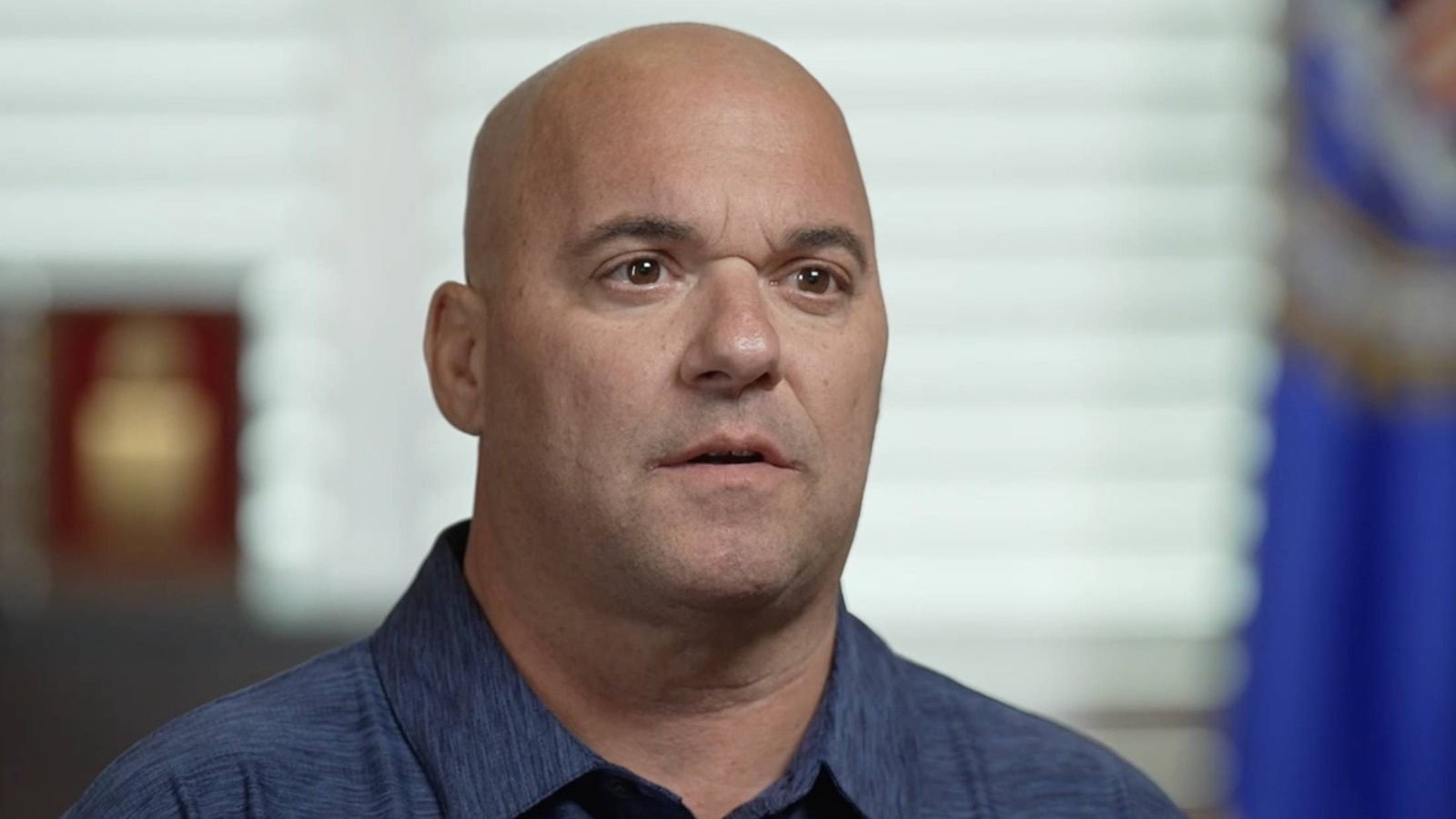
He enlisted in the Air Force then became a Pittsburgh police officer, before being selected to join the racks of the FBI.
It was with the FBI that he first joined the fight against al-Qaeda.
He was part of a contingent of agents sent to Africa in 1998 to investigate the simultaneous bombings of the U.S. embassies in Kenya and Tanzania where 224 people, including 12 Americans were murdered.
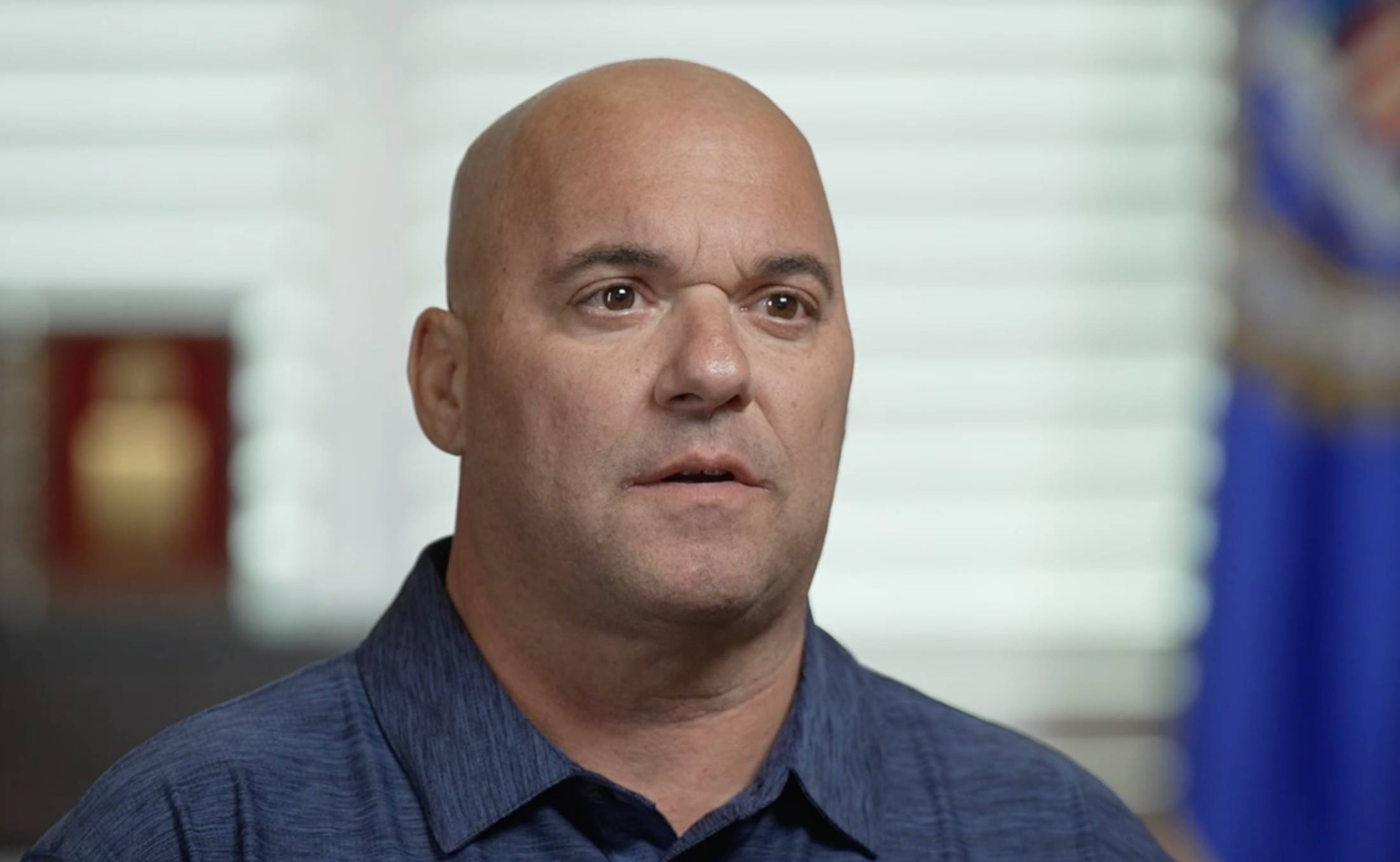
ABC News
And 25 years ago, he answered the call again when al-Qaeda terrorists weaponized four passenger jets on 9/11.
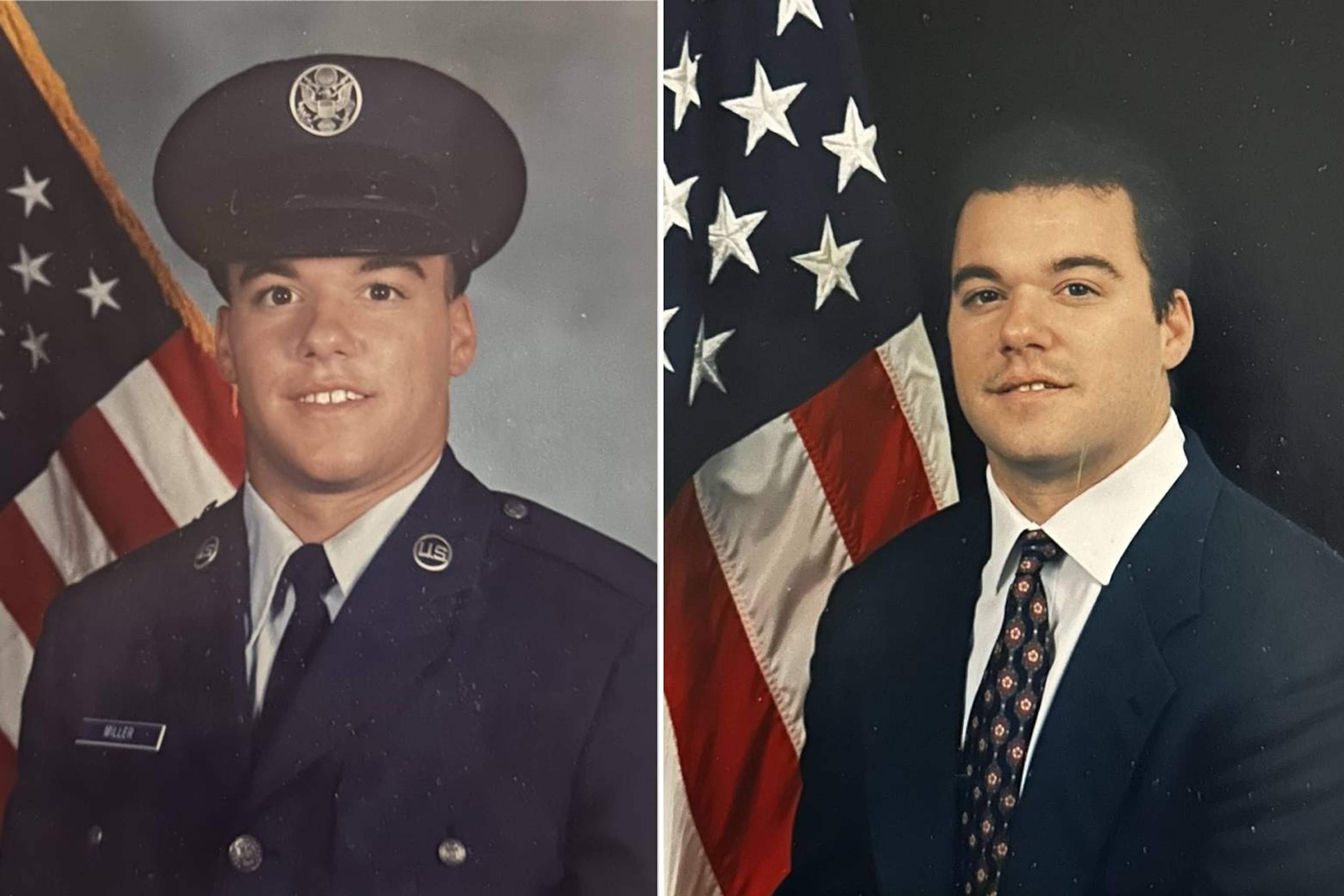
Courtesy Jeffrey Miller
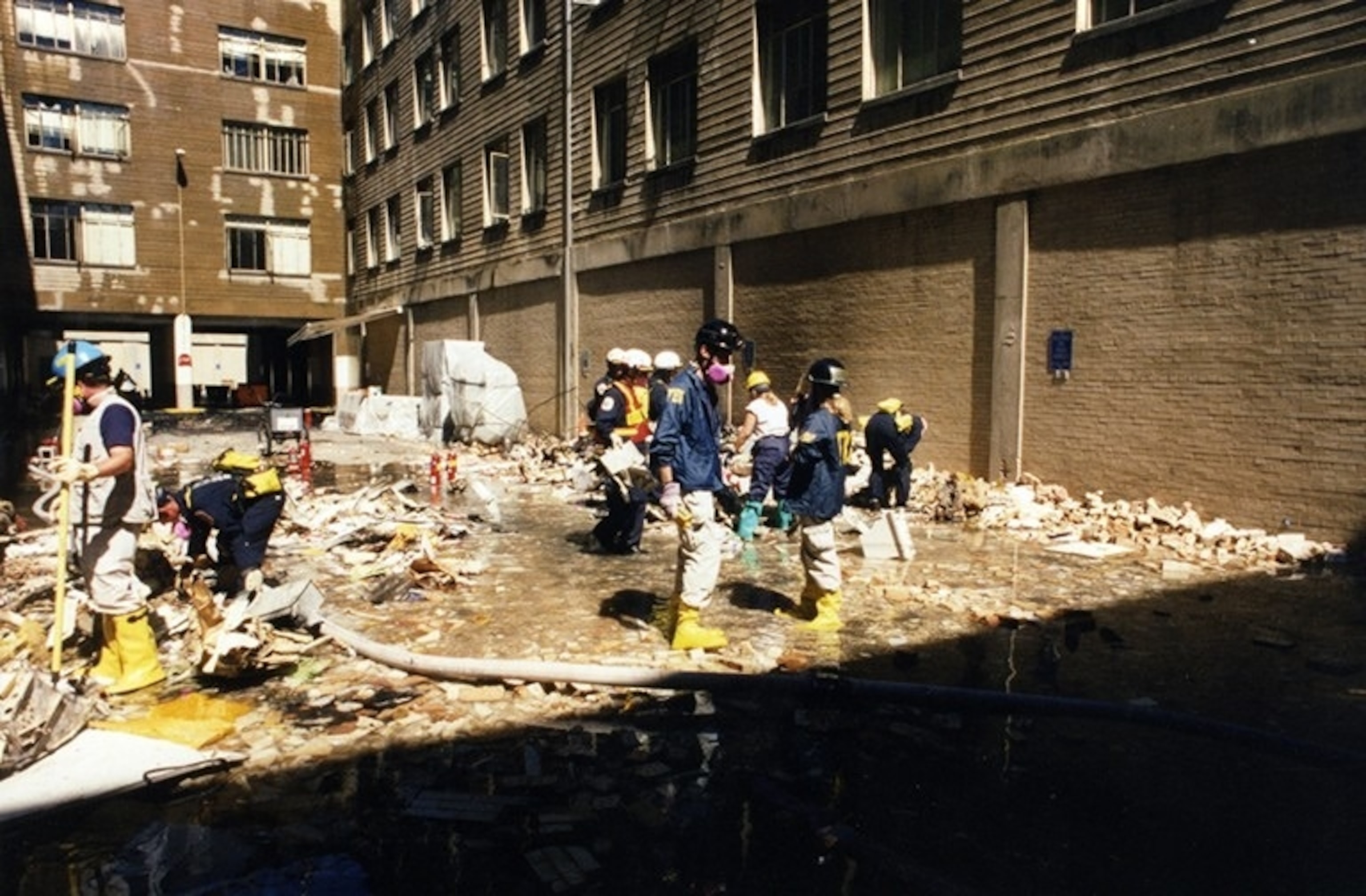
When American Airlines Flight 77 slammed into the Pentagon, Miller rushed to the scene, spending weeks on site recovering evidence from the burned wreckage.
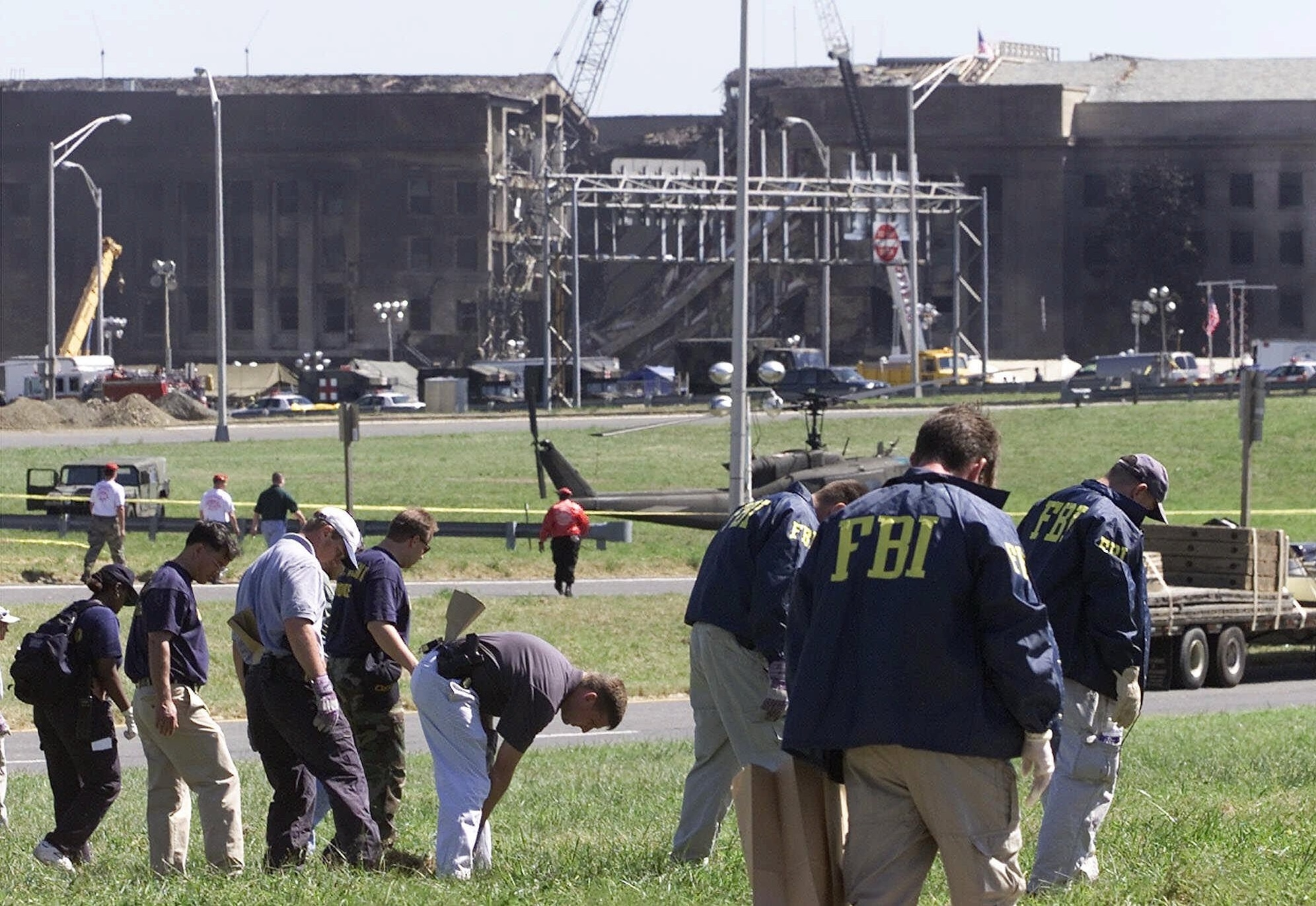
Ron Edmonds/AP
Now, two and a half decades later he is one of the many FBI agents that are suffering from the long-lasting effects of that day.
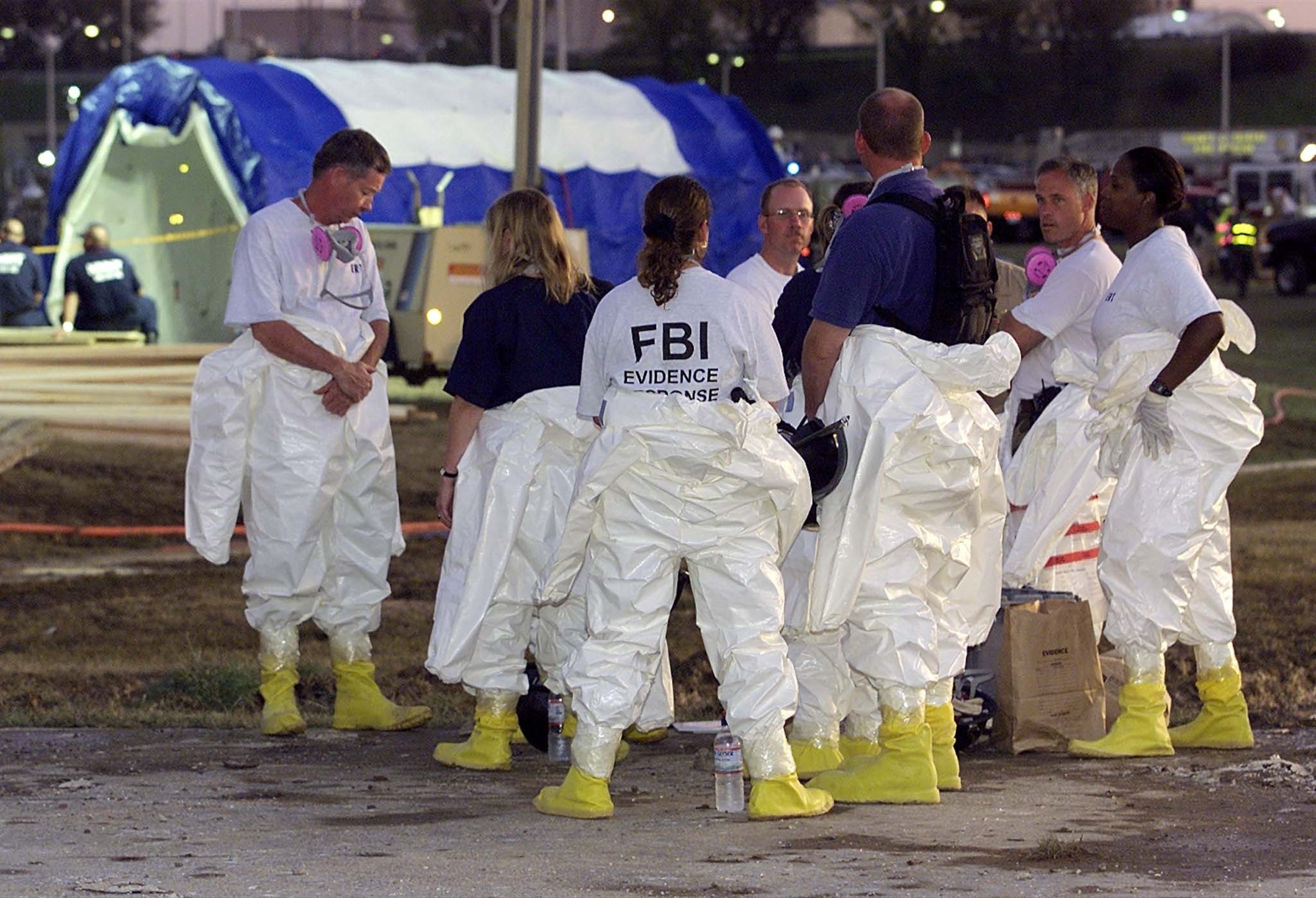
He and his colleagues were exposed to toxic debris in the wreckage. Twenty-five years after 9/11, that exposure led to many FBI agents and other first responders developing cancer.
FBI Handout/Getty Images
Miller says he personally knows at least a dozen of them.
He pointed to Bob Roth, one of the first agents to arrive at the still-smoldering wreckage of the Pentagon on Sept. 11, who developed multiple myeloma in 2006 and died in 2008, according to the FBI's Wall of Honor.
Stephen Jaffe/AFP via Getty Images
"He did everything he could, but in the end, he succumbed to cancer. And that was initially my direct exposure to someone that I had actually worked with," Miller said.
It did not immediately dawn on Miller that he could also be susceptible to cancer.
"We started thinking about it and the first week at the Pentagon, we didn't have PPE, we didn't have proper protection gear, we didn't have the proper masking," he said. "I start thinking about and kind of inventorying my days there and what I was exposed to. "
In 2024, Miller was diagnosed with prostate cancer. He did well with treatment and thought he had put the cancer behind him -- full remission.
Courtesy Jeffrey Miller
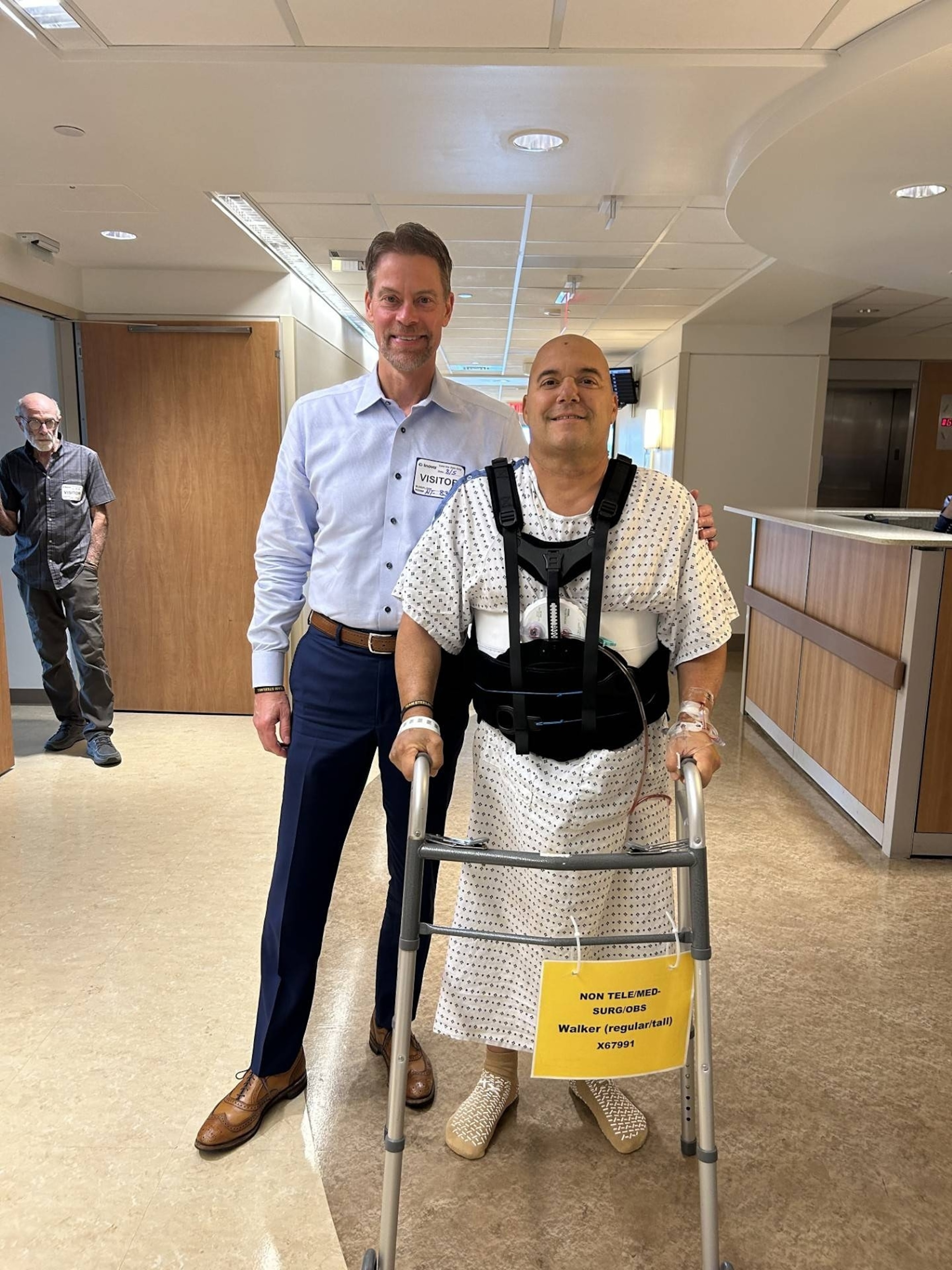
"I have kidney cancer, I have lung cancer, two lymph nodes; I have spine, and I the last one I have is brain," he said. "And we're praying every day -- our faith got stronger because we have to. "
Miller's wife, Amy, told ABC News that her husband has a positive attitude, and he is focused on making things better for future generations.
"There's been a lot of times during this journey that we've thought, well, this must be it. This, he can't possibly have to go through something else," she said. "We just kind push through whatever comes along the way and we've always been that way. "
And even now, as Miller battles cancer, he is focused on serving others. Miller is advocating to modernize the World Trade Center Health Program to keep up with the new technology and screening for first responders who put themselves in harm's way on 9/11 and didn't know it.
There have been significant advancements in cancer detection in the 12 years since the WTCHP's screening policy was established in 2014. Miller is advocating for updating the cancer screening policy to make available the very latest and most comprehensive cancer screening to the 9/11 responder community.
"We need that active screening ... I would have caught this -- my oncologist said close to two years ago," he said. "And it would have given me a lift, a leg up on this fight, the most important thing I could have done. "
FBI Deputy Director Christopher Raia has met Miller and acknowledged that more can be done.
"We do need to figure out better ways to not only detect this, better tests, better care as folks age and maybe these things start to metastasize in their body," Raia said.
"I want to champion for them, and I want to do everything I can from my chair, as the Deputy Director, to really give those folks the support, the care, and the fight that they need that they needed to continue. "
After all Miller has been through, he said he would have responded to the Pentagon again.
"I can almost guarantee that every agent, special agent and professional support that I know of would do it again," he said.