I recently posted a simple question on Instagram: “Attention queer people in my phone: what is your relationship to The L Word?”
A few people responded with names of the characters: Bette, Shane, Dana. Others lamented over storylines that should have been: Kit was supposed to be a leather dyke journalist but apparently they wrote it out; why did they let Alice and Tasha stay together for so long? Many gleefully commented on the amount of sex the show has. One well-meaning gay man said it takes him a while to say The L Word in a relationship, then he immediately realised I was talking about the TV show and retracted his statement. Overwhelmingly, however, was the variation on one take: It’s so terrible and I love it so much.
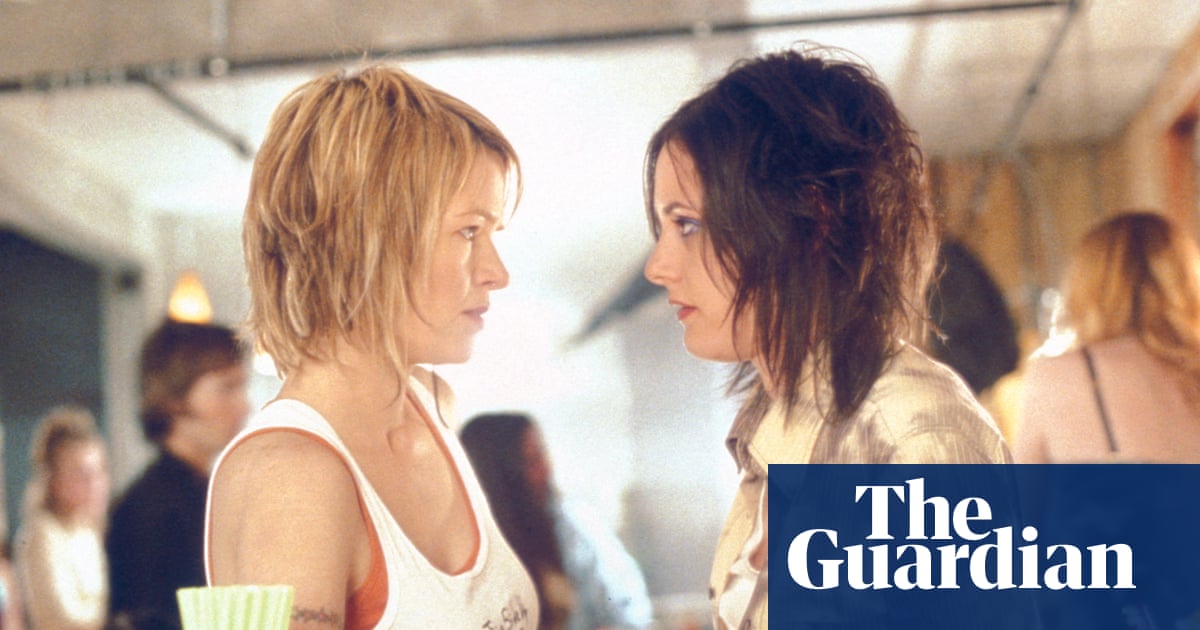
Premiering in 2004, The L Word follows a group of queer women in their mid 20s to 30s as they navigate relationships, careers, sex and friendships against the backdrop of the permanently sunny and perpetually horny Los Angeles. Created by Ilene Chaiken, the show was based on her own experiences of flings, heartbreak and stereotypes as a lesbian, and was positioned as a response to the success and heterosexuality of Sex and the City, which was its own media mammoth by the early 2000s. The L Word’s first season tagline was simply: “Same sex. Different city.”

Running for six seasons, the show ended in 2009, yet remains a cornerstone for modern sapphic culture and discourse. It’s impossible to exist even on the periphery of lesbian culture and not know the show’s core references from the infamy of “the chart” (a massive web of names and lines connecting every queer woman in The L Word universe by who’s hooked up with who displayed permanently on a huge whiteboard in a character’s home), or the irresistibility of Shane (the group’s resident womaniser who has a Don Draper tendency to effortlessly hook up with every woman she meets).
Despite proudly calling myself a lesbian for nearly 10 years, I had never seen The L Word until a few months ago. From the pilot, I was immediately enamoured by the reality of a show following a group of entirely queer women who aren’t automatically likable or agreeable. In the decades following The L Word’s premiere, queer characters on screen have increased significantly, but they are still usually only one or two out of a cast, more often than not paraded out for a serious identity storyline or sardonic comic relief. As the seasons of The L Word go on, the extreme interpersonal drama enters an almost soap opera landscape, with the situations these women find themselves in ranging from an alleged murder plot, a burned-down hair salon and a Hollywood film set sabotaged by rival lesbian nightclub owners, all the while participating in some of the most explicit lesbian sex scenes in television history.

In 2026, the enjoyment of seeing unapologetically queer women navigating off-the-wall scenarios works overtime to offset the aspects of the show that have spoiled with age. The treatment of the only trans masc character, Max, is difficult to watch and widely regarded as a stain on the show’s legacy. Max constantly brushes off transphobic comments and behaviour, and is exempt from the loyalty and compassion extended to everyone else. This ridicule seems vitriolic even for the time, and it’s confounding to witness a show discuss a wide berth of taboos around queerness but draw the line at transness. The cast is also overwhelmingly white, despite taking place in a hugely diverse city like LA, and clunkily navigates the inherent differences of lived experience in interracial relationships with an emphasis on the white partner’s discomfort.
In The L Word, queerness doesn’t equal moral goodness. These characters make all the wrong choices, communicate in the worst possible ways and never become better people, and that complexity is why it endures. It has all the hallmarks of other lost media relics of the 2000s: cringe-inducing takes on gender, an overwhelming sea of thinness, white washing, bizarre fashion choices – but, as displayed by the passion and numbers that blew up my Instagram, it is far from forgotten. The emotional anchors of the show, the characters and their relationships, paired with absurd plotlines perfectly engineered for maximum drama, creates an authenticity that encapsulates the idiosyncrasies of lesbian culture without ever feeling like the butt of the joke.
The show knows queer people aren’t ethical angels; we can be mean, selfish, greedy and delusional, and that’s its superpower. In the words of the theme song, The L Word persists because “this is the way that we live and love”.
-
The L Word is available to stream via Stan in Australia and the US, and via Prime Video in the UK. Find more recommendations of what to stream in Australia here