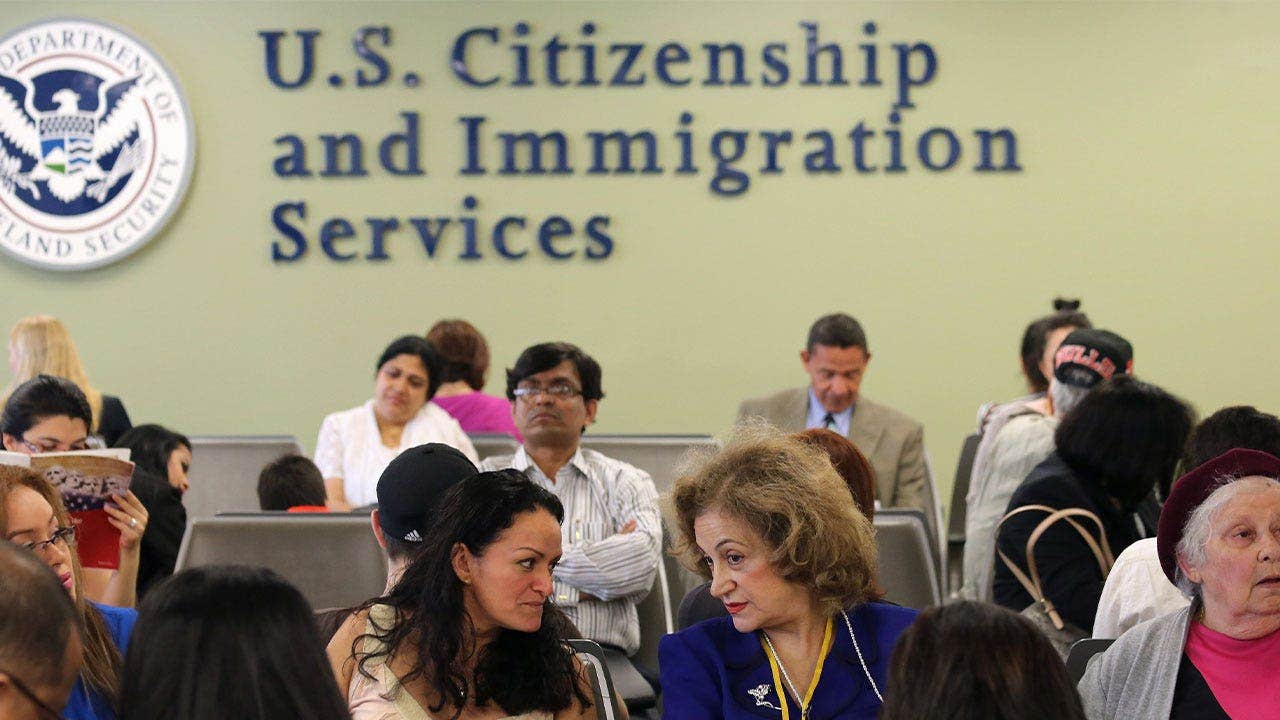
Federal judge blocks Trump's H-1B visa fee
A federal judge in Boston ruled against the Trump administration's $100,000 fee for H-1B visas, deeming it an unauthorized tax. The fee, which was significantly increased from a typical $2,000-$5,000, aimed to prioritize US citizens in the workforce. The administration is appealing the decision.The new rule proposal would eliminate that grace period, according to the .
FEDERAL JUDGE STRIKES DOWN TRUMP’S $100K H-1B VISA FEE, RULING IT AN UNCONSTITUTIONAL TAX
"This proposal restores a direct relationship between an alien’s nonimmigrant status and the specific employment or activity that formed the basis of his or her admission or grant of status in the United States and reduces administrative burden," the document reads.
US STATE DEPARTMENT HAS YANKED MORE THAN 175K VISAS UNDER TRUMP ADMINISTRATION SO FAR
"DHS believes that restoring the expectation that aliens depart the United States upon cessation of the employment or activity upon which the alien’s status was based, would better promote program integrity and be more consistent with statutory purpose," the rule proposal reads.
The agency also claimed that eliminating the grace period would greatly reduce administrative burden, "as the process of determining when the up to may apply, reviewing the information submitted, and determining whether to shorten or eliminate the grace period may be time consuming and complex for the agency and confusing or unpredictable for the petitioner, alien and the alien’s dependents. "
AMERICA’S BROKEN LEGAL IMMIGRATION SYSTEM IS REPLACING US WORKERS BY DESIGN
Before 2017, the document states, there was no 60-day grace period. But in 2016, DHS established the grace period in a rule that came into effect on Jan. 17, 2017, three days before first took office.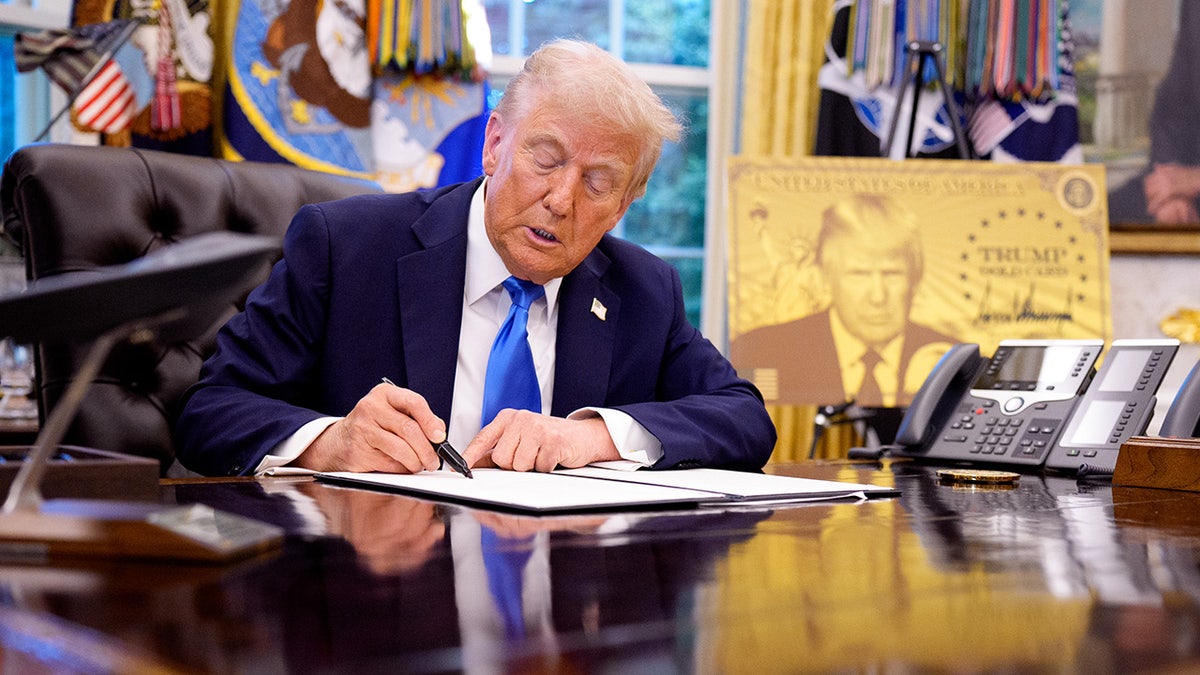
"DHS assumes that almost all these entities would offer the same jobs to equally qualified U.S. workers, go through the to sponsor nonimmigrant workers, or reassign the work to other current employees. DHS acknowledges that some of these petitioners may incur a temporary loss of productivity due to labor turnover," the rule proposal reads.
The unpublished rule is scheduled to publish on Friday, Sept. 11, 2026, the Federal Register. It will then be subject to a two-month period of public comment before becoming law.
Fox News Digital contacted DHS and the White House for further comment.