Sutro Heights was conceived along similar lines, though on a more intimate scale. In the 1880s, he purchased about 22 acres on a high point above the ocean, where the air was clear and the views sweeping. There he built a large Victorian mansion surrounded by terraced gardens, winding paths and an extensive collection of statues and ornamental features. An estate filled with art and ornamentThe grounds of Sutro Heights were unlike anything else in San Francisco at the time.
Sutro imported hundreds of statues, mostly classical and neoclassical figures, to populate the gardens. Nymphs, muses, mythological heroes and allegorical figures stood among flower beds, shrubs and trees, creating an open air museum of sorts. The mansion itself was a statement of wealth and taste. Built in the Victorian style, it featured multiple stories, bay windows, wraparound porches and elaborate woodwork. From its upper floors and terraces, visitors could look out over the Pacific, the Golden Gate and the Marin headlands.
Sutro encouraged the public to visit. On certain days, residents could walk the grounds, admire the statues and enjoy the views. The decline of the estateAfter Sutro’s death in 1898, the fate of the estate became uncertain. His heirs faced financial pressures and the challenges of maintaining such a large property.
The mansion and gardens required constant upkeep, and the salty, windy environment accelerated wear on buildings and statues alike. In the early 20th century, the mansion was demolished. Accounts vary on the exact timing and reasons, but the combination of maintenance costs, changing tastes and the difficulty of finding a suitable new use for such a large private house on a remote bluff all played a part. With the main building gone, the estate lost much of its original identity.
For decades, the site existed in a kind of limbo. Parts of the land were used for other purposes, while other areas sat largely neglected. From private estate to public parkIn the mid 20th century, the property that had once been Sutro Heights was incorporated into the city’s park system. The land became part of the larger network of open spaces along San Francisco’s western shore, including nearby Golden Gate National Recreation Area lands and coastal parks.
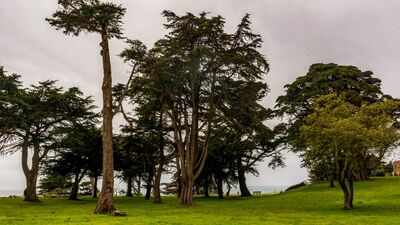
Today, Sutro Heights Park is a quiet, largely open space with grassy areas, walking paths and viewpoints overlooking the ocean. Most of the original statues are gone, though a few fragments and bases remain as subtle clues to the site’s past. For many who visit now, the park feels like a typical San Francisco hilltop green space, valued for its views, dog walking trails and proximity to the beach.
Remembering Sutro’s ambitionThe story of Sutro Heights is in many ways the story of San Francisco itself in the late 19th and early 20th centuries. It was a time of rapid growth, bold entrepreneurship and grandiose projects that often outlasted their creators. Not all of these projects endured. The Sutro Baths burned and were never rebuilt as a swimming complex, eventually becoming part of the ruins that sit near Land’s End today.
The mansion at Sutro Heights was torn down, its gardens dispersed. Visitors who stand on the bluff today and read the historical markers can imagine the scene as it once was. A Victorian mansion crowned the hill. Statues gleamed among the flowers. Electric lights twinkled at dusk, and San Franciscans strolled the paths in their Sunday best, looking out over an ocean that felt both wild and newly accessible. A park with a hidden pastSutro Heights Park may not have the fame of Golden Gate Park or the Presidio, but it holds a distinctive place in the city’s history.
It is a reminder that some of San Francisco’s most beloved open spaces began as private ventures with public ambitions. For those who take the time to look, the traces are still there. A broken pedestal here, a weathered base there, a sign describing the lost gardens.
